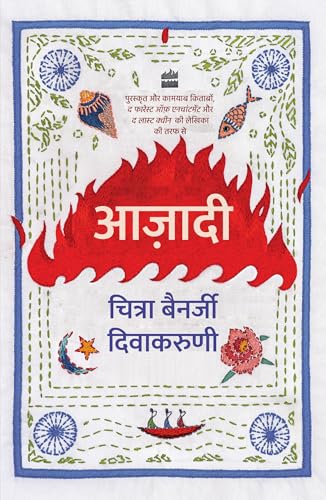
Aazadi
By: Chitra Banerjee Divakaruni, Naved Akbar
No description available
AI Overview
The book "Aazadi" by Chitra Banerjee Divakaruni is not a single-author work, but rather a collection of essays by Arundhati Roy titled "Aazadi" (which translates to "Freedom" in Hindi). Here is a comprehensive overview of the book:
Key Themes
- Independence and Freedom: The book explores the themes of independence and freedom, particularly in the context of India's struggle for independence and the ongoing conflict in Kashmir.
- Historical Context: It delves into the historical events that have shaped India and Kashmir, including the tumultuous period of India's independence and the subsequent conflicts.
- Personal Narratives: The essays often incorporate personal narratives, providing a humanizing perspective on historical events.
- Social Justice: The book touches on issues of social justice, highlighting the struggles and resilience of individuals and communities in the face of oppression.
Plot Summary
"Aazadi" is a collection of essays that chronicle the lives of three sisters whose lives are forever altered by the tumult of India's independence. The book is not a traditional novel but a series of essays that explore various themes related to freedom, identity, and social justice. It does not follow a linear narrative but instead presents a mosaic of stories and reflections that weave together to form a powerful chronicle of India's struggle for independence and the ongoing conflict in Kashmir.
Critical Reception
- Arundhati Roy's Writing Style: The book has been praised for Arundhati Roy's distinctive writing style, which is both lyrical and incisive. Her ability to weave together historical context with personal narratives has been particularly noted.
- Thought-Provoking Content: Critics have praised the book for its thought-provoking content, which challenges readers to think deeply about the complexities of freedom, identity, and social justice.
- Engaging Read: The essays are engaging and accessible, making the book a compelling read for both scholars and general readers interested in Indian history and politics.
For more detailed information, you can refer to the sources provided, particularly the review by The Indian Book Club, which highlights the book's powerful and thought-provoking nature.